Plantation Histories

Marengo Plantation

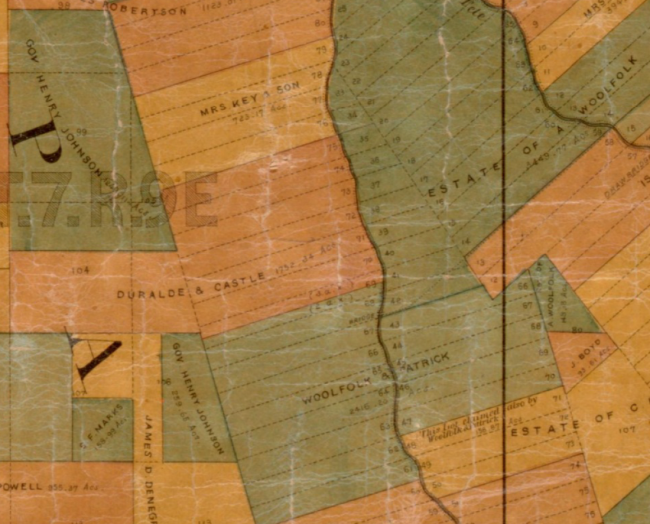
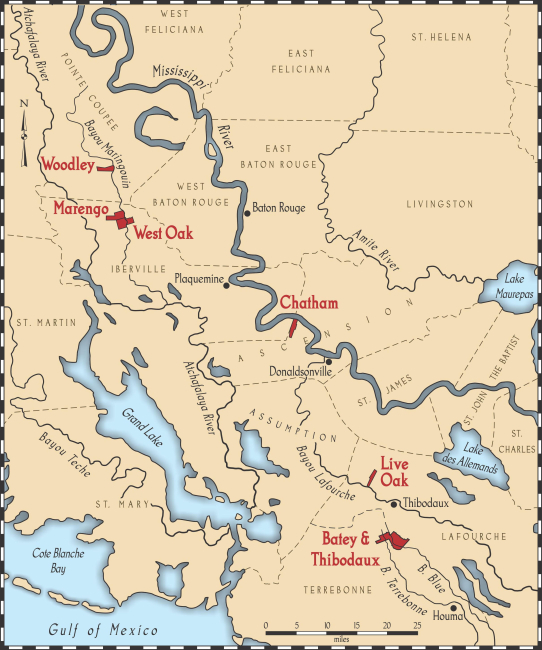
Marengo Plantation was one of two plantations on which Henry Johnson placed a large number of the GU272. It was located on the west side of Bayou Maringouin directly above Jesse Batey’s plantation, later called West Oak. In the latter part of 1843, Johnson relocated most of the Marengo enslaved to his plantation in Ascension, later called Chatham, leaving a few of the GU272 on Marengo. Additionally, Johnson purchased four of the GU272 belonging to the estate of Jesse Batey and relocated them from Terrebonne Parish to Marengo. The presence of the GU272 on Marengo Plantation, therefore, makes it an important part of the history of the GU272.

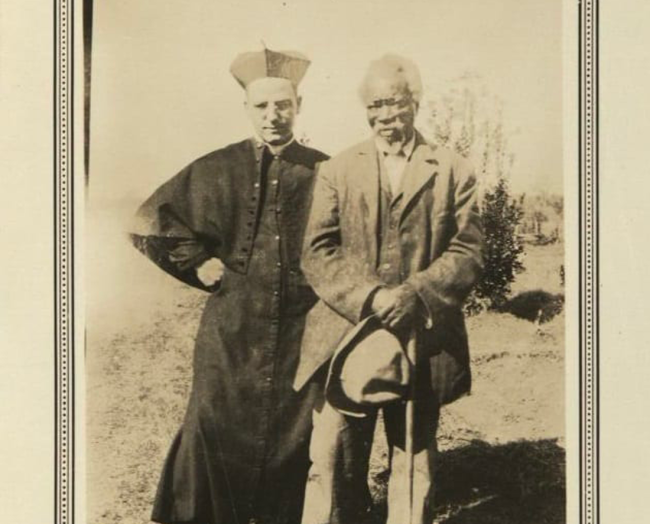
Diocesan priest standing with a previously enslaved unknown man
Image courtesy of the Jesuit Archives and Research Center

Grand Coteau, Louisiana

Located south of Opelousas, Louisiana, St. Charles College was established by the Jesuits in 1837 at Grand Coteau, Louisiana. The Religious of the Sacred Heart, who had been at Grand Coteau since 1821, donated money and assistance to help get the college on its feet. Upon arrival, the Jesuits also took charge of the church, St. Charles Borromeo, which had been established in 1819. Enslaved people are believed to have been involved in the establishment of these institutions from the earliest days of their existence.  

Batey & Downing Plantation on Bayou Fordoche

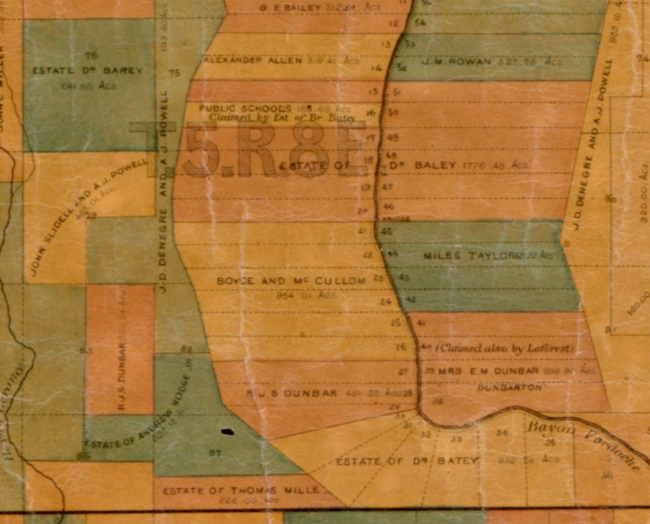
The Batey & Downing Plantation was one of three plantations owned by Jesse Batey, purchaser in 1838 of some of the GU272 enslaved from the Jesuits in Maryland. The plantation was located along Bayou Fordoche in Pointe Coupee Parish. None of the GU272 were found to have lived and worked on this plantation. 

Frogmore Plantation

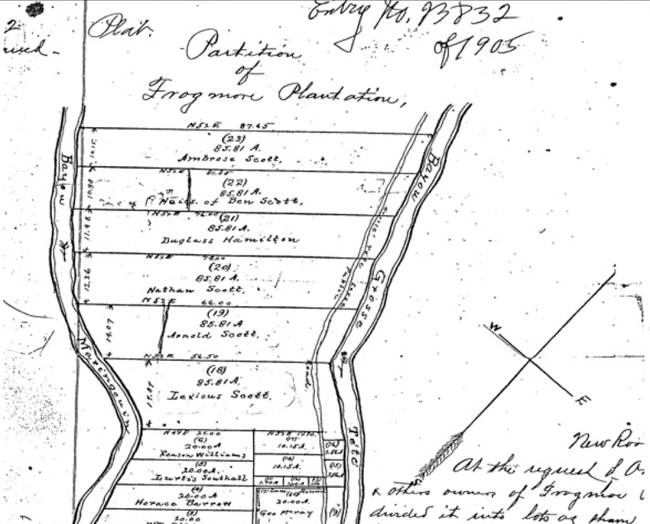
Not to be confused with the plantation of the same name in Concordia Parish, Louisiana, Frogmore Plantation in Pointe Coupee Parish was owned by a group of formerly enslaved men descended from the GU272. The seven men purchased the property in 1897, formed the Frogmore Plantation Company, and operated it until 1905 when they partitioned the property among themselves.